- support@ddgear.com
- North 3F, Building 13-2, Zhixin Park, NO.1099 Xianhua South Street, Wucheng, Jinhua, Zhejiang, China.

Products
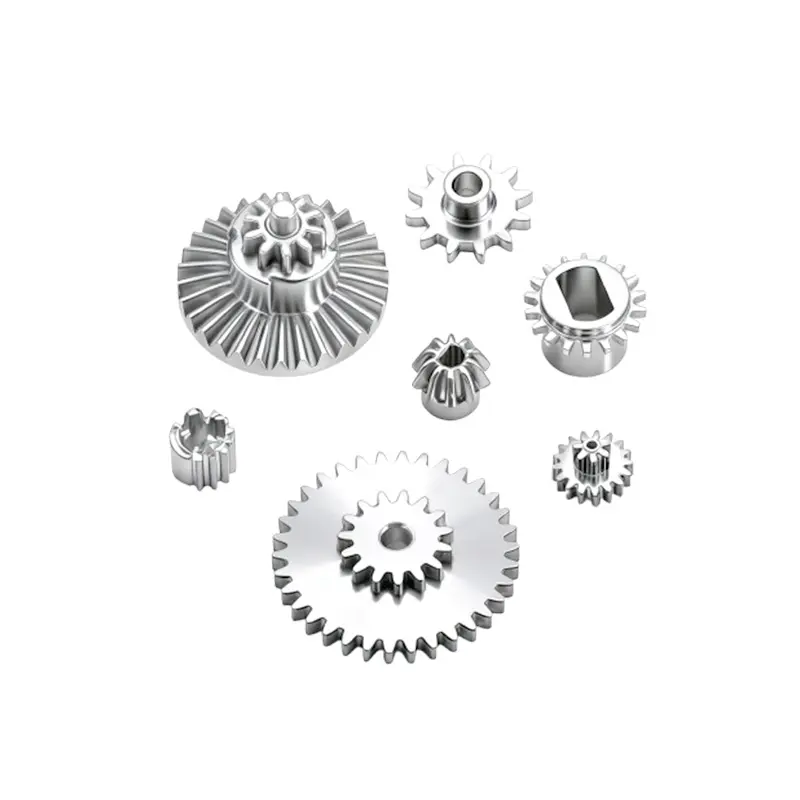
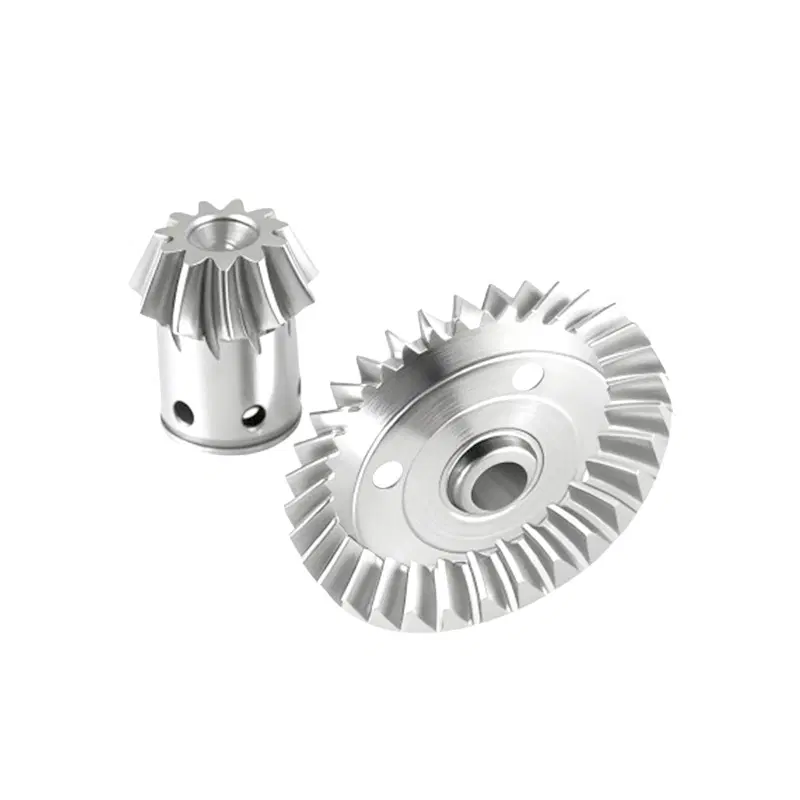
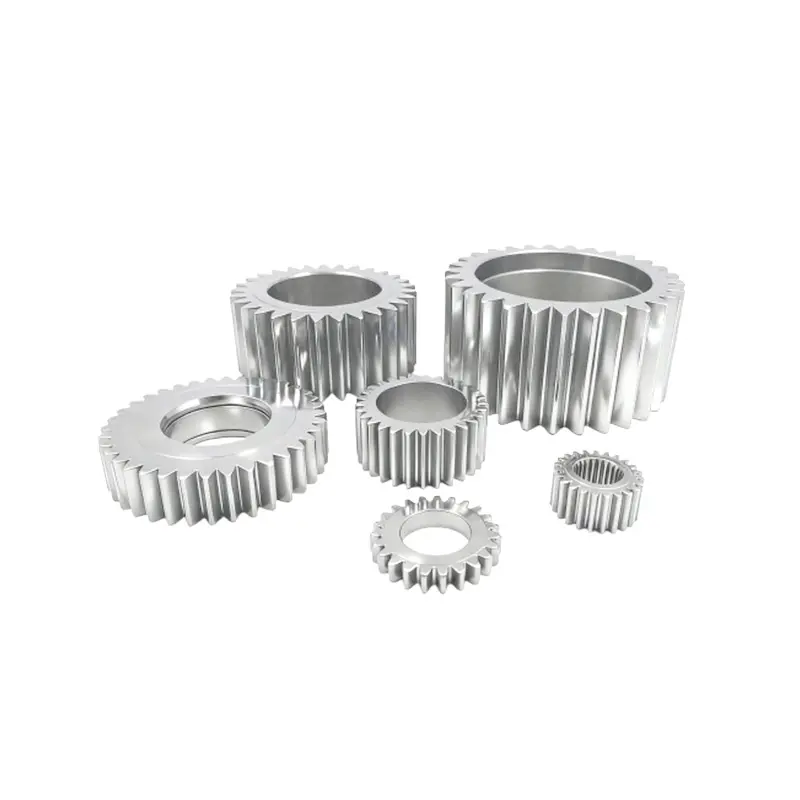
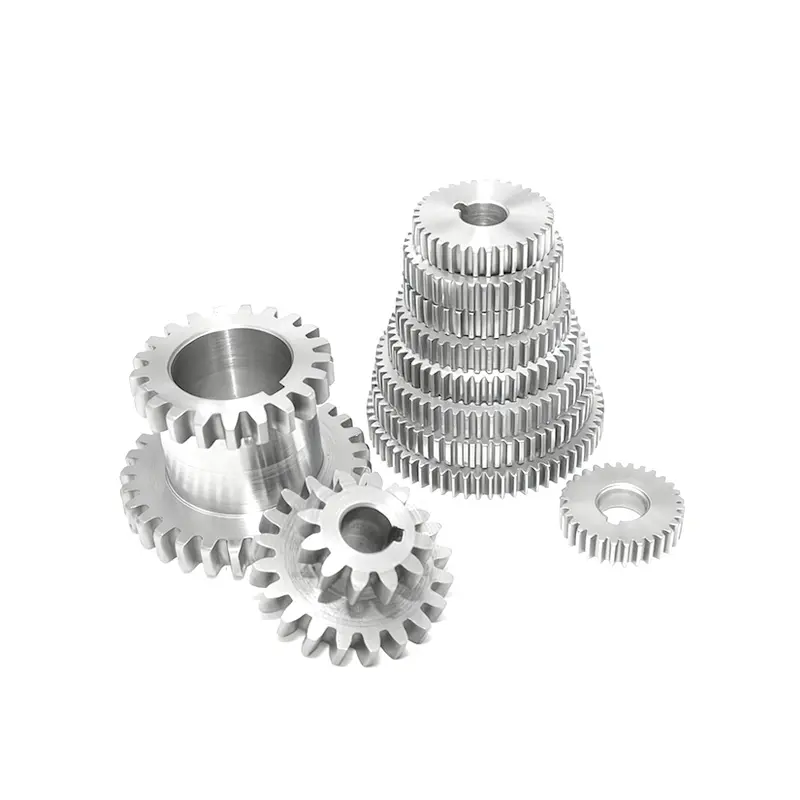
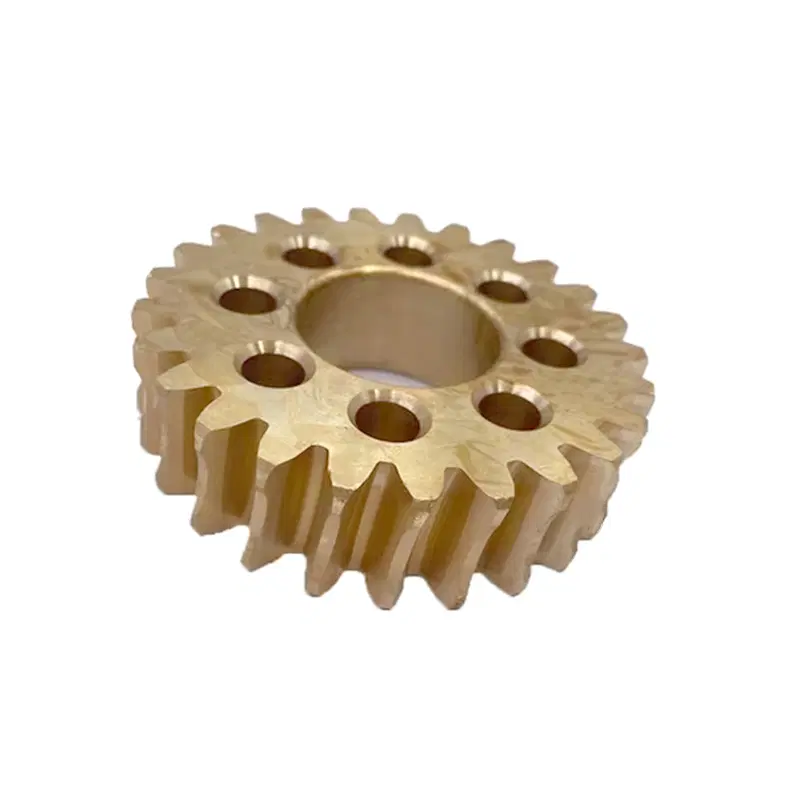
Custom Precision Gears for Textile Machinery | DD Gear
Product Details
FAQ
Features & Benefits
-
Designed for continuous, high-speed operation:
Textile machines often run continuously with high spindle and roller speeds. DD Gear designs gears and gear shafts for fatigue resistance under combined torsion and bending, supporting 24/7 duty with controlled wear and dimensional stability. -
Low noise and vibration for better machine behavior:
Precision spur and helical gears with optimized tooth geometry, surface finish and runout help reduce noise and vibration, improving operator comfort, protecting bearings and maintaining yarn/fabric quality in spinning, weaving and finishing sections. -
Small-module precision for synchronized motion:
Many textile mechanisms (feed rollers, drawing zones, take-up and winding) require precise speed ratios and phase relationships. Tight control of tooth profile, pitch and backlash ensures stable synchronization between rollers and shafts. -
Flexible gear types and layouts:
Support for spur, helical and bevel gears, as well as gear shafts and timing gears, allows DD Gear to serve different machine sections—spindle drives, feed and delivery rollers, selvedge motions, traverse systems and auxiliary transmissions. -
Material and heat-treatment options for textile environments:
Case-hardened alloy steels and nitriding steels provide wear resistance and high fatigue strength; stainless or corrosion-resistant options can be applied in humid or chemically aggressive finishing areas; engineered plastics may be used in low-load, low-noise stages when appropriate. -
From OEM projects to retrofit and upgrade programs:
DD Gear can support new textile machine platforms with prototype-to-series supply, and also manufacture replacement gears based on existing drawings or measured samples as part of modernization and efficiency upgrade programs.
Technical Specifications
Final data will be defined according to the customer’s drawing and sample.
| Item | Typical Option |
| Gear Type | Spur gears, helical gears, bevel gears; gear shafts with integral gears; timing / indexing gears as per drawing |
| Module (m) | Small- to medium-module gears for textile machinery |
| Material | Case-hardening steels (such as 16MnCr5/20CrMn series), alloy steels for through hardening, and nitriding steels; similar grades can be selected according to the project |
| Heat Treatment |
Carburizing & quenching, nitriding, induction hardening, or quench & temper, select according to torque, lifespan, and noise requirements |
| Surface Hardness | For general tooth surfaces, HRC is 58–62 (carburized parts) or as per drawings; core toughness is controlled according to bending fatigue requirements |
| Surface Finish | The tooth surface can be ground or precision machined to meet the requirements of low noise and long service life; the roughness and runout of key journals and mating surfaces are controlled |
| Accuracy | Spur/helical gears are controlled according to ISO 1328/DIN/AGMA standards; the specific standard is agreed upon with the customer based on noise and life targets |
Applications
Textile Machinery Gear from DD Gear can be configured for:
-
Spinning & roving equipment – Gears and gear shafts for main drives, drafting systems, flyer drives and take-up mechanisms on ring spinning, roving and open-end spinning frames.
-
Carding, combing & drawing machines – Spur and helical gears synchronizing cylinders, licker-ins, doffers and delivery rollers to maintain fiber control and sliver uniformity.
-
Warping, beaming & winding – Gear sets for warping beams, creels, winders and unwinders where accurate tension and winding patterns are critical.
-
Weaving & knitting machines – Gears for shedding, take-up, let-off, selvedge motion and auxiliary drives on shuttle, rapier, air-jet, water-jet looms and various knitting machines.
-
Finishing, stenter & inspection lines – Gears driving tenter frames, stenter chains, overfeed systems and inspection winders in dyeing, drying and finishing sections.
Gear Manufacturing Process
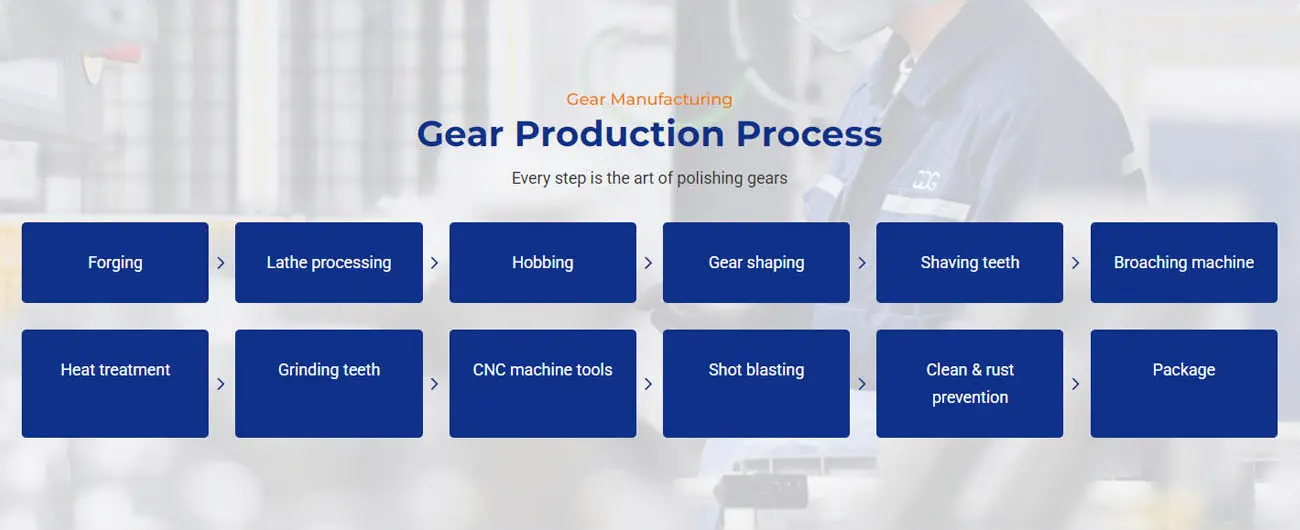
DD Gear applies a controlled gear-manufacturing process suitable for small-module, high-precision textile gears:
-
-
Blank preparation – Selection of bar or forged blanks; cutting and rough turning to prepare reference surfaces.
-
Turning & pre-machining – Machining of bores, shoulders and reference faces with allowance for heat treatment and finishing.
-
Gear cutting – Hobbing or shaping of spur and helical gears; bevel gears cut on dedicated bevel machinery or multi-axis equipment as required.
-
Heat treatment – Carburizing, nitriding, induction hardening or quench & temper applied according to specified hardness and case-depth targets, with attention to distortion control.
-
Finish machining – Finish turning/grinding of bores, journals and reference faces to achieve fit and runout requirements.
-
Gear finishing (if required) – Gear grinding or honing to improve accuracy, noise behavior and load distribution.
-
Deburring & surface conditioning – Chamfering and removal of burrs to reduce stress concentration and protect yarn/fabric from contamination by metal particles.
-
Cleaning, protection & packaging – Cleaning and rust prevention; packaging adapted to the customer’s assembly flow and storage conditions.
-
Precision Gear Customization Process
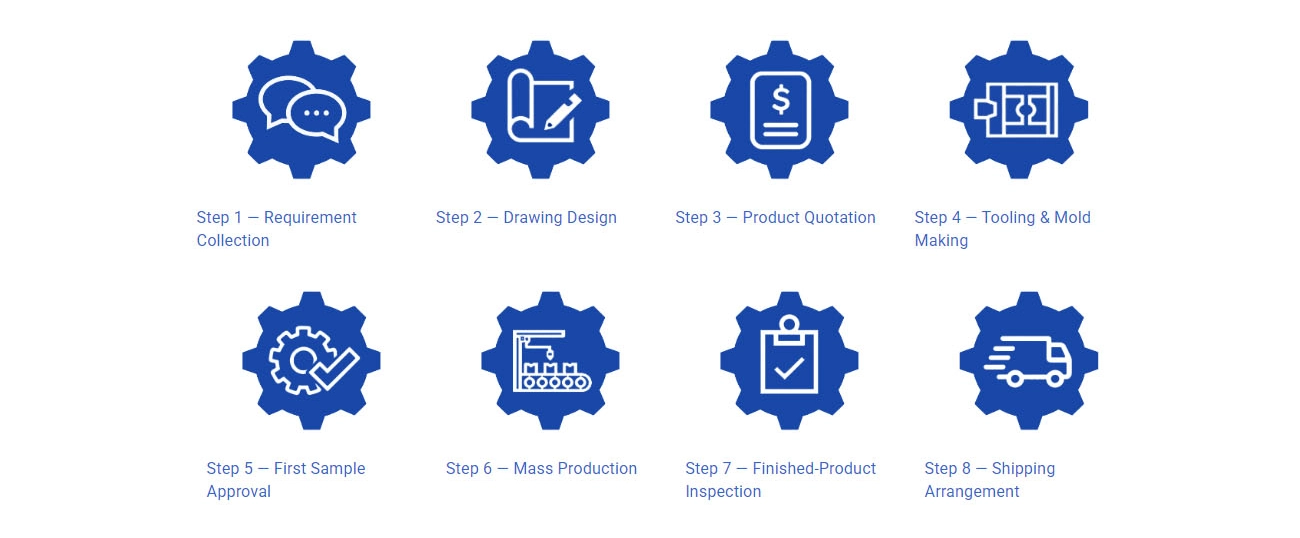
To support custom textile machinery gear projects, DD Gear follows a clear, eight-step customization process:
Step 1 – Requirement Collection
Customers provide design requirements, 2D drawings, 3D models, or physical samples, together with basic duty cycle information (torque, speed, life, installation).
Step 2 – Drawing Design & Optimization
Based on the provided drawings or samples, DD Gear prepares or optimizes detailed manufacturing drawings and shares them with the customer for confirmation.
Step 3 – Quotation
After the drawings and technical points are confirmed, we issue a precise quotation covering tooling, piece price, lead time, and quality requirements.
Step 4 – Tooling & Fixture Preparation
Once the price is confirmed, we arrange tooling and fixture production. Any tooling cost is agreed with the customer in advance and can be offset or refunded after mass orders, according to the commercial agreement.
Step 5 – First Sample Approval
After tooling and fixtures are ready, we manufacture the first sample batch—typically within about 30 days—and ship it to the customer for testing.The customer inspects and validates the samples in their gearbox or test bench and provides feedback on dimensions, performance, and any required adjustments.
Step 6 – Mass Production
When the sample is approved, we start mass production according to the agreed production plan and quality standards.
Step 7 – Finished Product Inspection
After production, we inspect hardness, dimensions, runout, tooth accuracy, and other critical characteristics to ensure full compliance with the drawing and standards.
Step 8 – Shipping Arrangement
Once inspection is passed and shipment is approved by the customer, we arrange booking, packaging, and delivery to the specified destination.
Quality Assurance & Inspection
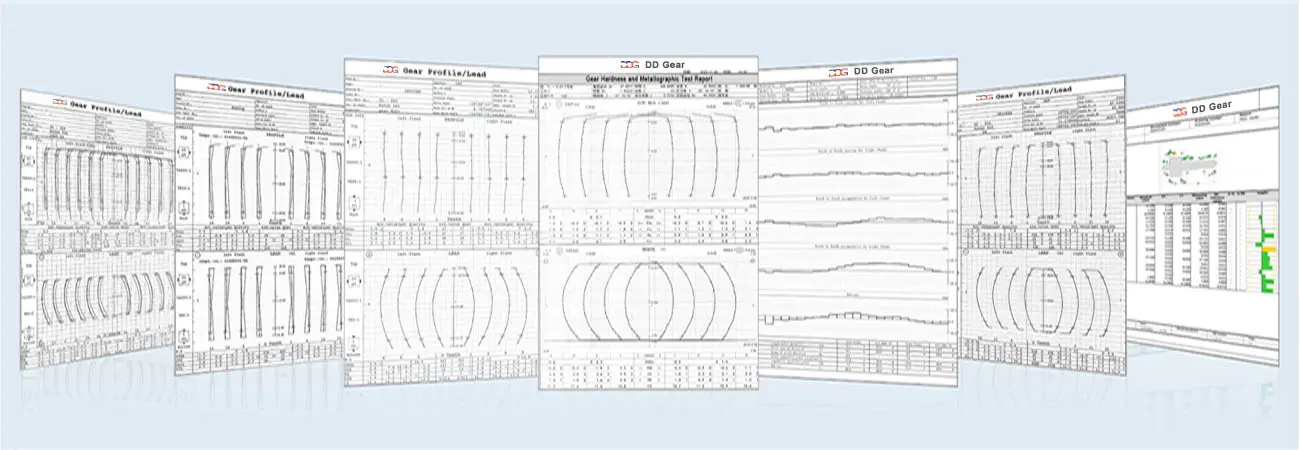
DD Gear applies the same quality philosophy to spur gear and all precision gears:
-
Quality management systems based on ISO 9001 and IATF 16949
-
Process control from incoming material to final inspection, including:
-
Material certification and chemical composition checks
-
Hardness and case depth verification after heat treatment
-
Gear measurement for profile, lead, pitch, and runout
-
Surface roughness testing on gear flanks and journals
-
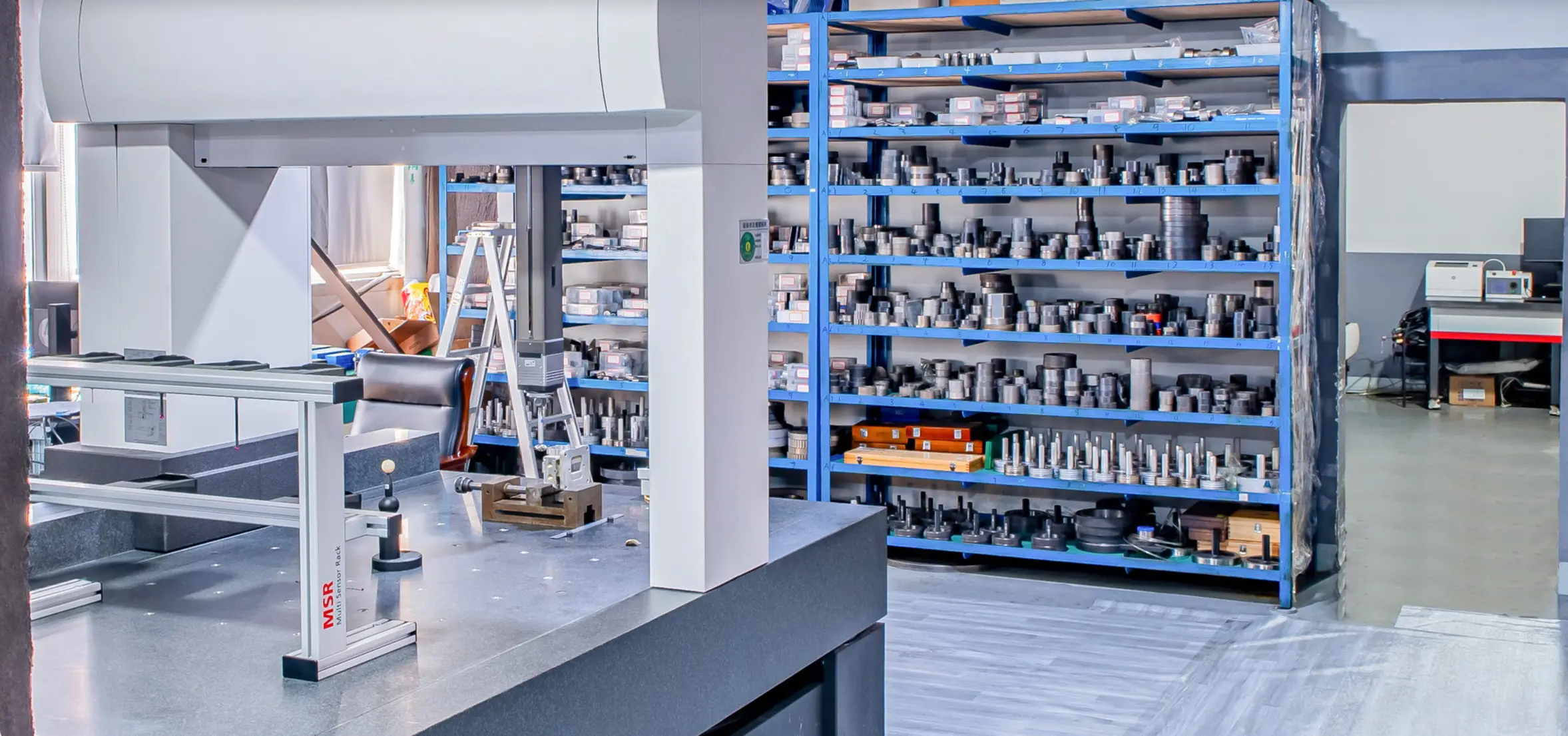
Dimensional inspection with calibrated gauges and CMMs
-
-
Traceability for each batch with inspection records and reports
- Optional documentation such as PPAP/FAIR packs on request
Packaging
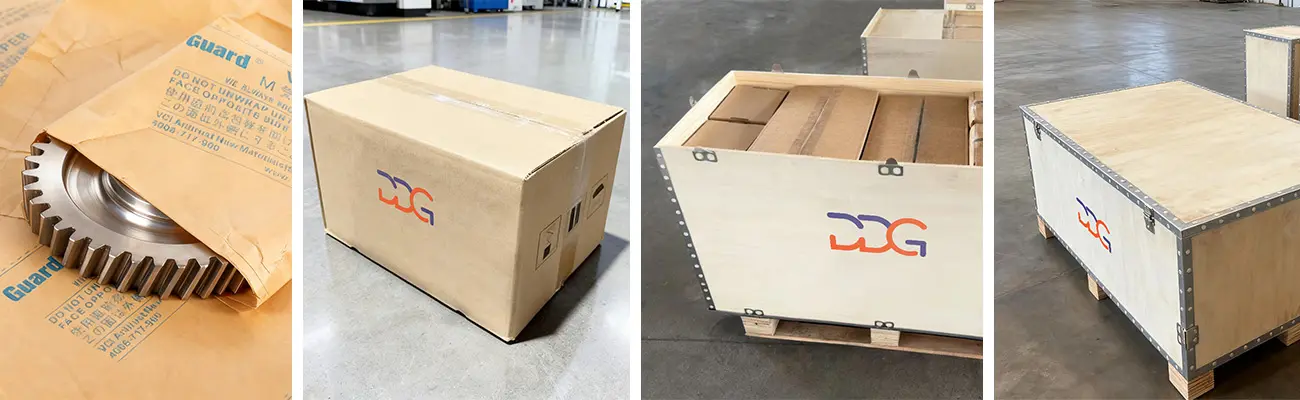
Usage & Installation Notes
-
Maintain shaft alignment and housing stiffness according to design; misalignment will increase noise and wear, and may affect fabric quality.
-
Follow specified fits and torque for mounting gears and gear shafts; do not force parts beyond tolerance ranges.
-
Use recommended lubricants and lubrication systems, paying attention to cleanliness to avoid embedding particles in tooth flanks.
-
Implement regular inspection intervals for tooth wear, pitting, backlash growth and noise changes, especially in critical drive sections.
-
Protect gears from corrosion and contamination during storage and handling before installation.
Company Strength – DD Gear
-
Specialized in small module, high-precision gears and shafts for EVs, humanoid robots, AGVs, and intelligent automation.
-
Integrated manufacturing from forging and machining to heat treatment and gear grinding.
-
Quality systems aligned with automotive standards, with experience supporting OEM and Tier 1 projects.
-
Engineering support covering concept feasibility, DFM reviews, and failure analysis feedback.
-
Global export capability with experience serving customers in multiple countries.
Q1: What information do you need to quote textile machinery gears?
We normally require: machine section and function, 2D drawings and preferably 3D models, gear type(spur/helical/bevel), module and tooth data, materials and heat-treatment requirements, shaft arrangement, operating speeds and loads, duty cycle, lubrication method and expected annual volume.
Q2: Can you help optimize gears for lower noise and better fabric quality?
Yes. Within the scope of your design, we can provide feedback on tooth accuracy levels, material/heat treatment, backlash and tooth modifications to help reduce noise and vibration. Final validation of noise and fabric quality must be performed in your complete machine.
Q3: Do you supply complete gearboxes or only gears and shafts?
DD Gear operates as a precision gear and shaft supplier. We provide gears, gear shafts and related components according to your drawings; complete gearboxes and textile machines are designed and assembled by the OEM or integrator.
Q4: Can you produce replacement gears for older textile machines?
If you can provide accurate drawings, 3D data or physical samples that can be measured, we can usually manufacture replacement gears to match your required dimensions and performance targets as part of retrofit or modernization programs.
Q5: How do you address lint, dust and humidity in textile environments?
We recommend appropriate material and surface treatment selections, attention to sealing and lubrication, and proper cleaning of gears before assembly. The machine designer is responsible for enclosure, filtration and lubrication-system design; DD Gear supports with component-level robustness.
Reliable precision gears for robotics, automotive, and beyond.
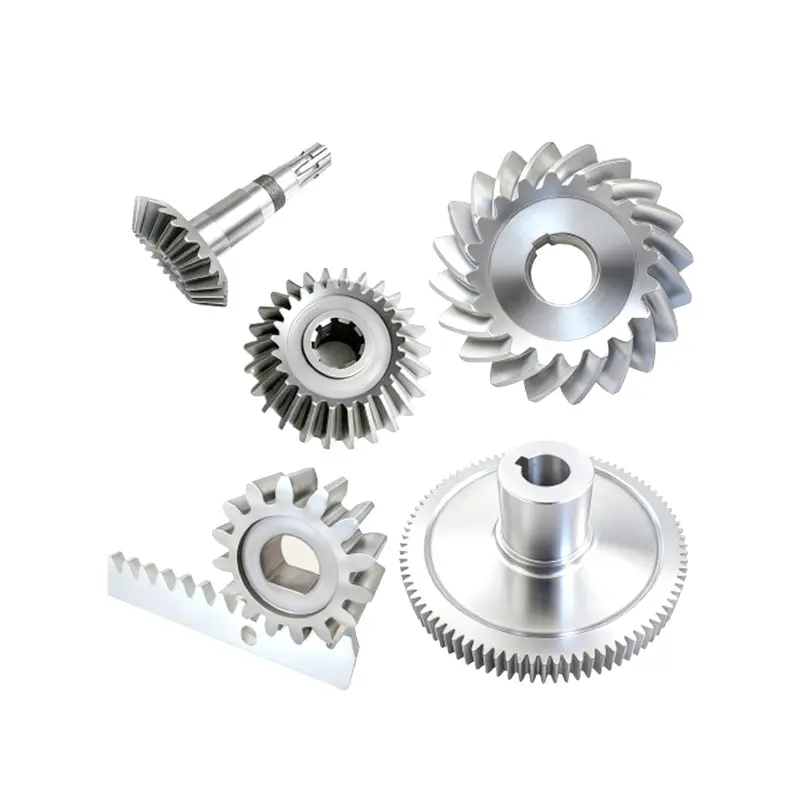
Custom Gears for Sliding, Swing & Industrial Doors | DD Gear
Automatic Door Gear from DD Gear is a range of custom-designed, small- to medium-module gears and shafts used in automatic sliding doors, swing doors, revolving doors and industrial doors (sectional, rolling, high-speed doors). In these systems, compact electric motors drive gearboxes and gear trains that must deliver high starting torque, smooth motion and very low noise while opening and closing heavy door leaves hundreds or thousands of times per day. Typical automatic door operators use one or more stages of spur and helical gears in combination with worm gears or bevel gears. Spur gears provide simple, efficient torque transfer for intermediate stages. Helical gears, with their angled teeth and higher contact ratio, help achieve quieter and smoother running, which is critical in hotels, hospitals, offices and residential buildings. Worm gears are often used for high reduction ratios and self-locking behavior, improving safety when the door is at rest and reducing backdrive from wind loads or manual pushing. In some operators, bevel gears change shaft direction between the motor, transmission and drive shaft or belt/chain. DD Gear manufactures Automatic Door Gears strictly on a custom, build-to-print basis. Using customer drawings or validated samples, we supply spur and helical pinions and gears, worm gears and worm wheels, bevel gears, gear shafts and related components for door operators. Through appropriate alloy steels, surface treatments, controlled heat treatment and precision machining, DD Gear helps door-operator OEMs and system integrators build drives that provide quiet operation, long life and reliable performance in entrances exposed to dust, temperature changes and frequent cycling.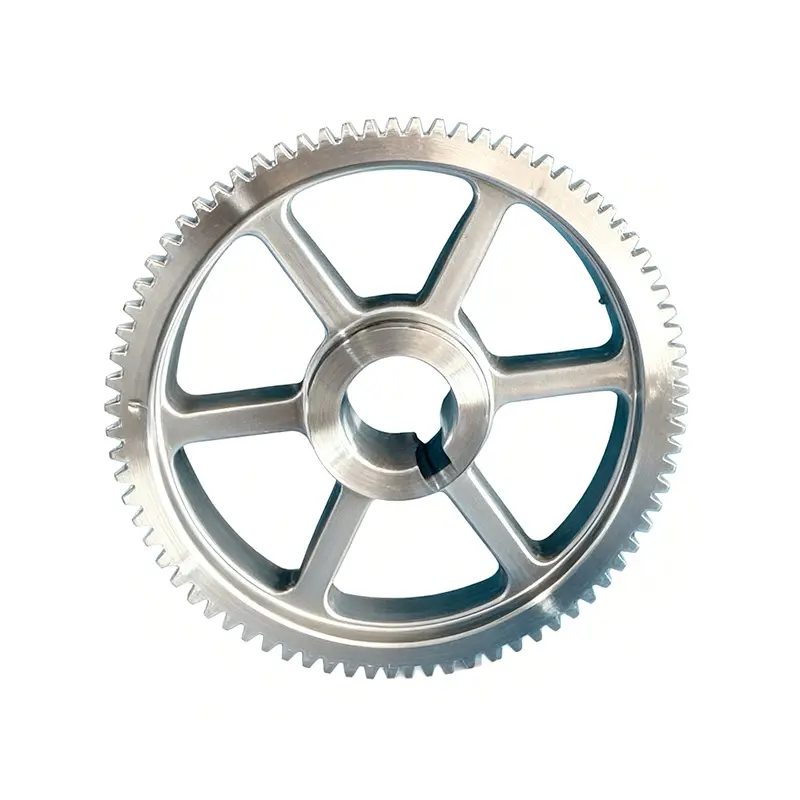
Custom Precision Gears for Electric Wheelchair | DD Gear
Electric Wheelchair Gear from DD Gear covers a family of small-module, custom-designed gears and shafts used in electric wheelchairs, powered mobility scooters and related assistive devices. In these products, compact electric motors drive wheel-side or centrally mounted gearboxes that must deliver high torque at very low vehicle speed, provide smooth, gentle acceleration and braking, and work reliably for years in both indoor and outdoor environments. Typical electric wheelchairs use a single-speed reduction between the high-speed motor and the drive wheel. This reduction is often realized by a worm gear stage, a spur/helical reduction stage, or a planetary gear set integrated into a wheel-side gearbox. Worm gears are commonly used because they can offer high reduction ratios and inherent self-locking behavior in many designs, helping the chair hold position on slopes when the motor is not powered. Spur and helical gears are used in intermediate stages or in designs where efficiency and low noise are prioritized. Planetary gear trains may be used when high torque density and compact packaging are critical, especially in wheel modules. DD Gear manufactures Electric Wheelchair Gears strictly on a custom, build-to-print basis. Based on customer drawings or validated samples, we supply worm gears and worm wheels, spur and helical gears, planetary gear components (sun, planet, ring), gear shafts and wheel-drive gear elements. Using case-hardening steels, controlled heat treatment and small-module precision machining or grinding, DD Gear helps mobility OEMs and system suppliers design drivetrains that offer quiet operation, safe holding behavior, good efficiency and long service life, enhancing comfort and confidence for end users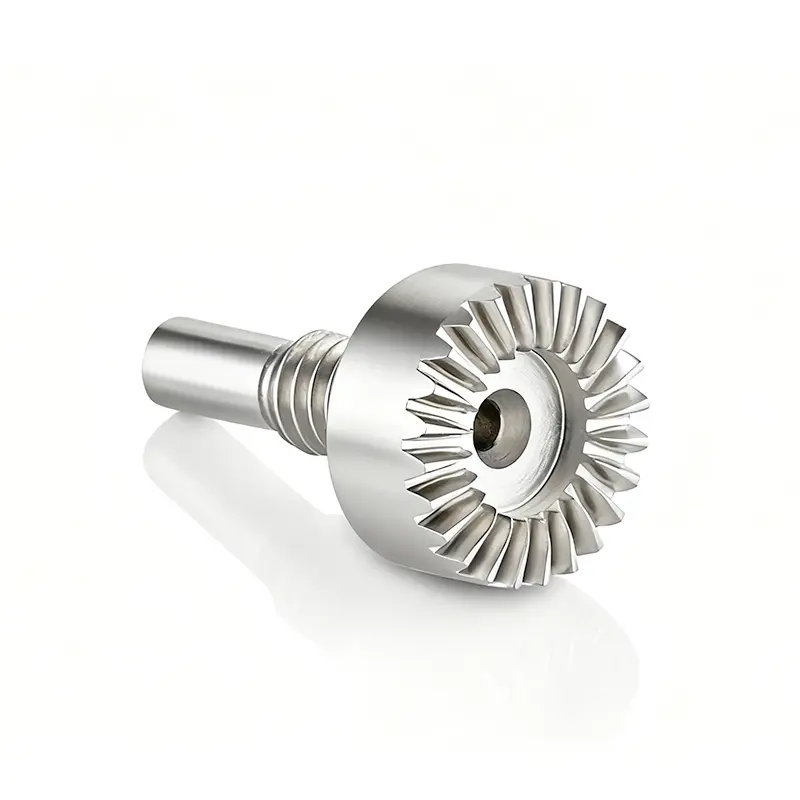
Custom Precision Gears for Surgical Robotics | DD Gear
Surgical Robot Gear from DD Gear covers a family of small-module, high-precision gears and shafts used in surgical robots, robotic-assisted surgical systems and related medical robotic platforms. In these applications, compact actuators drive robotic arms, wrists, end effectors and instrument modules that must deliver micron-level positioning, smooth motion and highly repeatable force control, often in minimally invasive procedures around critical anatomy. To achieve this, surgical robots commonly use spur and helical gears, planetary gear sets and gears integrated with harmonic or other precision reducers inside joint and instrument actuators. These gear stages must work with high-resolution encoders and advanced control algorithms, providing low backlash, high torsional stiffness and consistent friction characteristics across the full range of motion. At the same time, many components operate near the sterile field and must tolerate frequent cleaning and sterilization cycles, use biocompatible or low-outgassing materials and lubricants, and minimize particle generation. DD Gear manufactures Surgical Robot Gears strictly on a custom, build-to-print basis. Based on your drawings or validated samples, we supply spur, helical and bevel gears, planetary components (sun/planet/ring), gear shafts, small-module pinions and interface gears for precision reducers, using carefully selected alloy steels, stainless steels and, where specified, non-magnetic or corrosion-resistant materials. With controlled heat treatment, precision machining and (when required) ground tooth flanks, DD Gear supports surgical robot OEMs and system suppliers in building actuators that deliver precise, smooth and reliable motion, while supporting cleaning and sterilization concepts defined at the system level.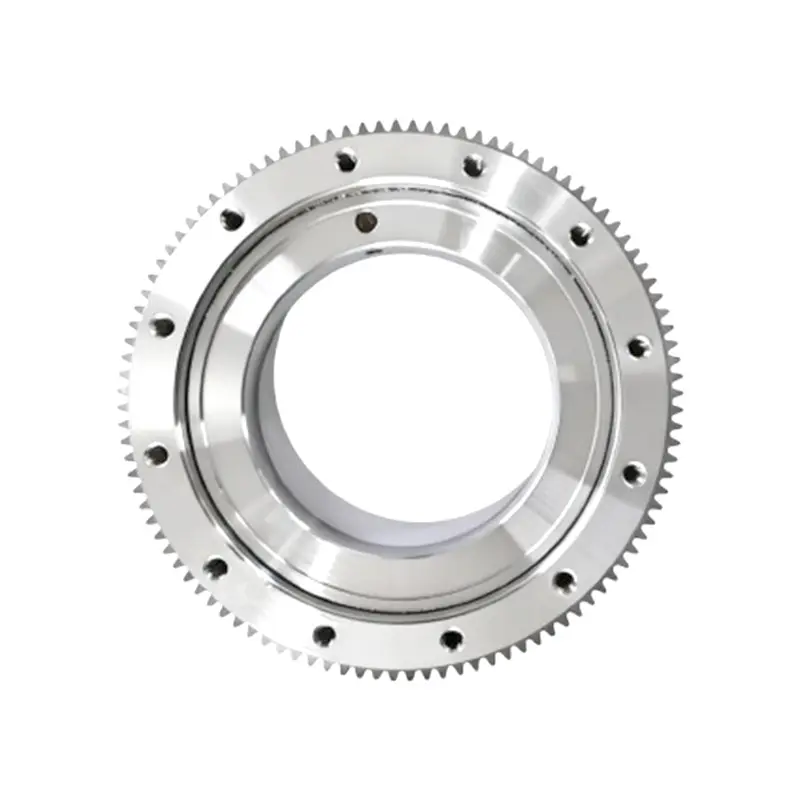
Custom Precision Gears for Automated Guided Vehicles | DD Gear
AGV Gear from DD Gear refers to a range of custom, small-module gears and shafts specifically engineered for Automated Guided Vehicles (AGV) and Autonomous Mobile Robots (AMR) used in warehouses, factories, distribution centers and logistics hubs. In these applications, compact electric motors drive wheel-mounted or centrally mounted gearboxes that must deliver high torque at low travel speed, provide smooth, precise motion control, and withstand continuous start/stop cycles in 24/7 intralogistics operations. Typical AGV drivetrains combine motor + reduction gearbox + drive wheel, often in a wheel hub or wheel-side gearbox design, while steering and lifting functions may use additional gear stages or screw drives. Single- or multi-stage spur and helical gears are common in wheel drives and intermediate stages, while planetary gear sets are widely used where high torque density and compact packaging are required, such as in drive wheels for heavy loads or AGV forklifts. In some architectures, gears are also combined with chain or belt stages to reach the final wheel or mast. Compared with traditional industrial vehicles, AGV/AMR systems place greater emphasis on low noise, smooth operation, positioning accuracy and long maintenance intervals. DD Gear manufactures AGV gears strictly on a custom, build-to-print basis, supplying spur and helical gears, planetary gear components (sun/planet/ring), bevel gears, gear shafts and wheel-drive gear elements based on customer drawings or validated samples. Using case-hardening steels, controlled heat treatment and small-module precision machining or grinding, DD Gear supports AGV and AMR OEMs in building transmissions that provide high efficiency, compact size, low NVH and long service life in demanding indoor and outdoor logistics environments.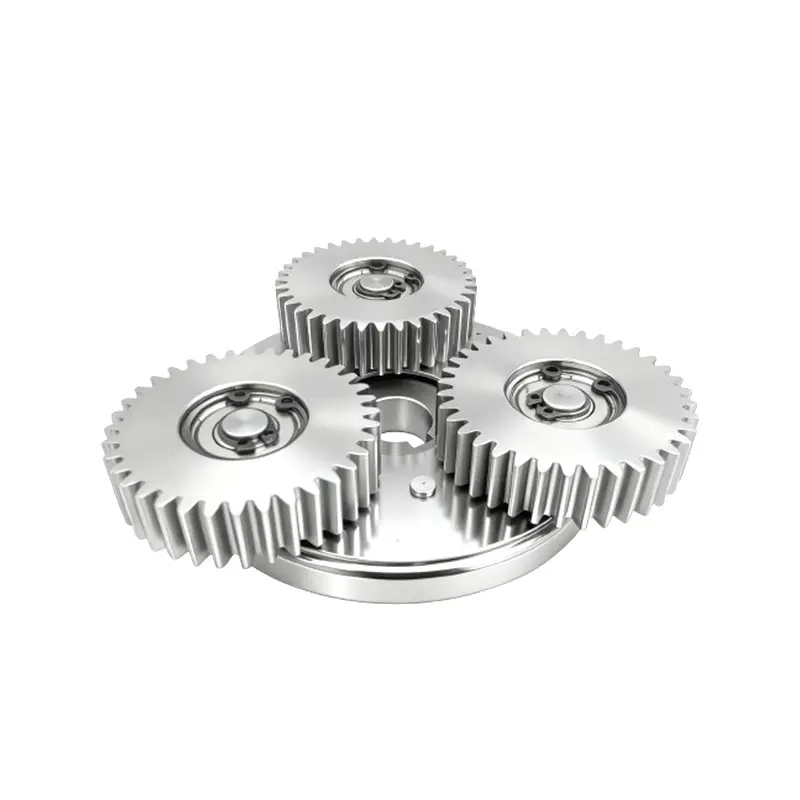
Custom Reduction Gears & Shafts for E-Motorcycle | DD Gear
E-Motorcycle Gear from DD Gear refers to a range of small-module reduction gears and shafts engineered for electric motorcycles, e-scooters, e-mopeds and high-power e-bikes. Instead of multi-speed gearboxes like those used in traditional ICE motorcycles, most electric two-wheelers use a single-speed reduction between the high-speed electric motor and the wheel. This reduction can be realized by hub-motor planetary gear sets, mid-drive spur/helical gear stages, or a combination of gear reduction + chain or belt drive. In hub-motor architectures, a compact planetary gear train is often integrated inside the wheel hub to reduce motor speed and increase wheel torque while keeping unsprung mass and noise under control. In mid-drive or centrally mounted motor layouts, the motor drives an intermediate shaft via spur or helical gears, and torque is then transferred to the rear wheel by a chain or belt. In both cases, the gears must handle high input speeds, frequent acceleration/deceleration, high torque at low road speed, outdoor exposure and strict NVH requirements, all within tight packaging envelopes. DD Gear manufactures E-Motorcycle Gears strictly on a custom, build-to-print basis. Using customer drawings or validated samples, we supply spur and helical pinions and gears, planetary gears (sun/planet/ring), gear shafts and hub-motor gear components. With appropriate case-hardening steels, controlled heat treatment and small-module precision machining or grinding, DD Gear helps electric two-wheeler OEMs and system suppliers build drivetrains that deliver high efficiency, quiet operation, compact packaging and long service life, supporting both urban commuting and higher-performance applications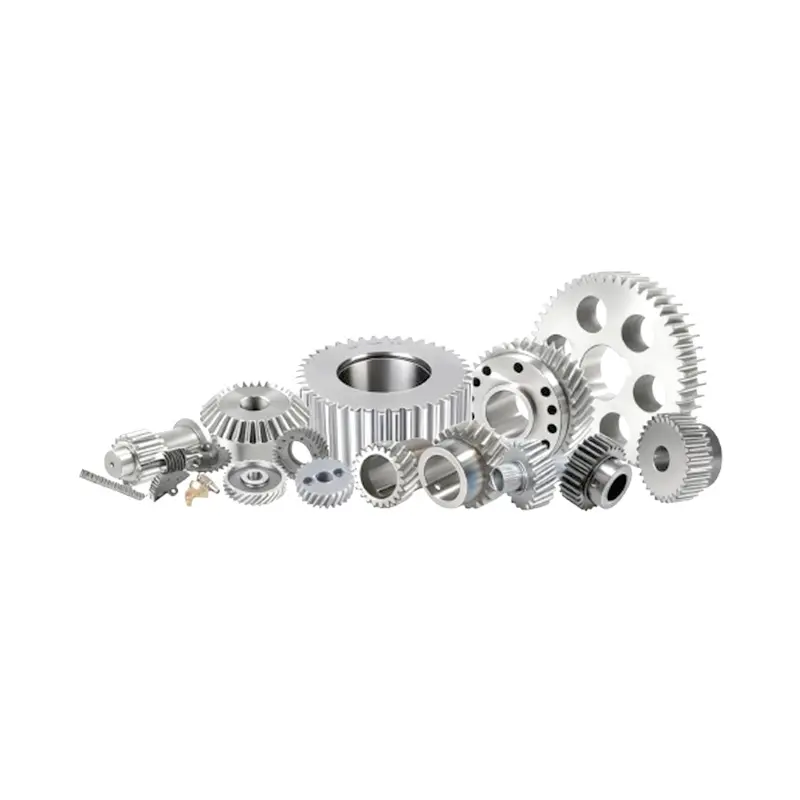
Custom Precision Gears for Packaging Machinery | DD Gear
Packaging Machinery Gear from DD Gear is a family of small- to medium-module, custom-designed gears used in form-fill-seal (FFS) machines, cartoners, case packers, palletizers, labelers and conveyor systems. In modern packaging lines, gears are responsible for coordinating motion between film feed, sealing jaws, product infeed, carton erection, filling, closing and outfeed. They must operate at high speed, often in 24/7 duty, while maintaining precise timing and position to avoid film waste, misaligned seals, product jams and unplanned downtime. Most packaging mechanisms rely on spur and helical gears in gearboxes and timing stages for parallel shafts. Spur gears provide simple, highly efficient torque transmission and are widely used in indexing, feed and cam drives. Helical gears, with their angled teeth and higher contact ratio, offer smoother, quieter running and higher load capacity, which is important in high-speed packaging halls where noise and vibration affect both productivity and operator comfort. In right-angle or compact layouts, bevel gears, worm gears or planetary sets may be used to change direction or achieve higher reduction ratios in a limited envelope. DD Gear manufactures Packaging Machinery Gears strictly on a custom, build-to-print basis. Based on your drawings or validated samples, we supply precision spur, helical, bevel gears, gear shafts and internal gears, using case-hardening steels, nitriding steels, stainless or corrosion-resistant grades, and selected engineering plastics where appropriate. Through controlled heat treatment, finishing and systematic quality control, we help packaging OEMs and retrofitters build gear trains that deliver stable speed ratios, smooth motion, low noise and long service life, even in demanding environments involving dust, humidity or washdownExploring The Science of Precision Gears

How to Select Carburized Case Depth for a Fine-Pitch Gear
A Fine-Pitch Gear needs a carburized case that supports the contact zone and tooth root while preserving a tough core. The drawing should define the depth by a recognized measurement method, identify the inspection location, and connect the requirement to material, heat treatment, finishing stock, and load. Module alone provides an initial scale; the final value follows a complete stress and process review. This guide explains the variables engineers should review before releasing a case-depth specification for compact metal gears used in robotics, electric drives, medical equipment, actuators, instruments, and automated machinery. Start with the case-depth definition Carburizing adds carbon to the steel surface. Quenching then forms a hard case around a lower-carbon core. The resulting hardness gradient affects surface fatigue, wear resistance, tooth-root strength, and resistance to subsurface damage. The term “case depth” needs a stated definition. Effective case depth is determined from a microhardness traverse to a specified limiting hardness. Total case depth is determined by the applicable measurement method defined in the relevant standard and represents the depth of the hardened case based on the specified criteria. Therefore, effective and total case depth values should not be treated as the same measurement. According to ISO 18203:2026, the depth of carburized and hardened cases in steel components is determined using specified measurement methods and evaluation criteria. A purchase drawing should define the applicable standard, case-depth type (effective or total), required depth range, limiting hardness where applicable, test method, inspection location, and acceptance criteria to ensure consistent interpretation between the heat treater and inspector. Scale case depth to the Fine-Pitch Gear tooth The tooth is the relevant section. A depth that is moderate on a large gear can occupy much of the root section on a small-module part. Engineers often begin with a case-depth-to-module relationship, then adjust it for stress, material, geometry, heat-treatment capability, and finishing operations. Research published by Gear Technology reports that the bending strength of case-carburized gears is influenced by the ratio of case depth to gear module. This relationship matters strongly in fine-pitch designs because the tooth tip, root fillet, and remaining core are small. Use the module ratio as a screening tool. A load-capacity calculation and metallurgical review should set the production range. ISO 6336-5:2016 covers material strength and quality considerations used in spur and helical gear load-capacity calculations, including requirements for case-carburized and hardened gears. Match depth to the governing failure mode Case-depth selection starts with the location and type of stress the gear must carry. Contact fatigue at the flank Hertzian contact stress creates a subsurface stress field below the active flank. The hardened zone should extend far enough to support that field under the specified torque, duty cycle, load distribution, and lubrication condition. A shallow hardened zone can place peak shear stress near softer material and increase the risk of case crushing, pitting, or deeper flank damage. Contact calculations should include dynamic load, face-load distribution, surface finish, profile modification, misalignment, temperature, lubricant viscosity, contamination, and expected life. A compact gear with intermittent shock loading may need a different hardness profile from a gear carrying smooth, steady torque. Tooth-root bending The root fillet carries cyclic tensile stress. The case at this location contributes hardness and compressive residual stress, while the core supports the tooth section. Root geometry, rim thickness, notch sensitivity, surface condition, and grinding marks all influence the required balance. A very deep high-carbon layer can reduce the proportion of tough core within a thin tooth. The engineering review should consider root bending strength together with the risk of excessive brittleness, quench cracking, and distortion. Wear, scuffing, and impact Wear and scuffing depend on surface hardness, roughness, sliding, lubricant film, temperature, and material pairing. Case depth supports the surface, while surface carbon, retained austenite, carbide distribution, and final finish affect how the flank behaves. Impact and overload place additional demand on core toughness. The specified steel and heat-treatment cycle should produce a hardness gradient that supports the case through the intended overload condition. Include the steel and core section Steel chemistry controls hardenability, carbon response, retained austenite, grain growth, and the hardness transition from case to core. Two gears with the same module and nominal depth can develop different profiles when they use different alloys or quench conditions. The Fine-Pitch Gear material review should cover: Steel grade and hardenability band Initial microstructure and incoming material condition Surface carbon target and carbon-potential control Carburizing temperature and diffusion schedule Quench method, agitation, and section size Tempering cycle and final surface hardness Core hardness and minimum supporting section Retained austenite, carbide network, and intergranular oxidation limits where required Thin rims, webs, hubs, keyways, and asymmetric features can change heating and cooling behavior. The gear blank design belongs in the case-depth review because the heat-treatment response follows the whole component. Account for grinding and stock removal The drawing should distinguish case depth before and after hard finishing. Gear grinding, gear-flank grinding, flank superfinishing, or other stock-removal operations reduce the finished case. The process route needs enough allowance to achieve the specified depth on the final surface. Grinding also adds thermal and mechanical risk. Excess heat can temper the surface, create tensile residual stress, or produce grinding cracks. Inspection may therefore include surface hardness, microhardness profile, nital etch or another burn-detection method, tooth geometry, and crack detection according to the drawing and application. For a Fine-Pitch Gear, small stock changes represent a larger fraction of the tooth. Heat-treatment distortion can also shift profile, lead, runout, and tooth thickness. The manufacturing plan should link pre-heat geometry, expected growth or shrinkage, grinding stock, and the finished case-depth requirement. Specify where the case depth is measured Carburizing response varies around the tooth. The tip, pitch-line region, root fillet, end face, and masked surfaces can show different carbon diffusion and cooling conditions. A requirement that lists only one depth range leaves the inspection location open to interpretation. Define the location on a Fine-Pitch Gear drawing or inspection plan. Useful details include: Tooth flank, root, or both Distance from the tip, pitch line, or root tangent Mid-face position or a defined distance from the end face Test direction and surface normal Number of samples and sampling frequency Production gear, sacrificial gear, or representative coupon Effective-depth limit hardness and traverse spacing Acceptance rules for surface hardness, core hardness, and microstructure A coupon can confirm furnace conditions and material response. A sectioned gear captures local tooth geometry, section thickness, stock removal, and quench response. Critical programs may use both forms of evidence. Use a drawing-based selection workflow The following sequence keeps the design calculation, heat-treatment route, and inspection record aligned. Review step Engineering input Required output 1. Define duty Torque spectrum, speed, life, overload, temperature, lubrication Design load cases and safety factors 2. Calculate gear stresses Module, tooth count, pressure angle, helix angle, face width, modifications Contact and root stress results 3. Select material Steel grade, hardenability, core section, blank condition Material and core-hardness requirements 4. Set the case range Stress depth, module ratio, root support, process capability Preliminary effective case-depth range 5. Add process allowances Distortion, grinding stock, finishing sequence Pre-finish and finished depth targets 6. Define verification Standard, test location, hardness threshold, sampling Inspection plan and report fields 7. Validate production First article, hardness profile, microstructure, gear geometry Approved process window This workflow produces a traceable specification. Each depth value connects to a stress calculation, material response, manufacturing operation, or inspection result. Common specification errors Using module as the only input Module provides geometric scale. Torque, tooth count, face width, load distribution, service life, steel, core section, and finishing route determine how the case supports the design. Listing depth without a hardness criterion Effective and total case depth use different evaluation criteria. State the applicable measurement standard, case-depth definition, and limiting hardness where required so that test reports describe the same property. Ignoring the root location A flank measurement supports contact-fatigue review. Root bending may require a separate depth and microstructure check at the fillet. Applying the pre-grind result to the finished gear Hard finishing removes material and may alter surface condition. The final acceptance plan should address the finished tooth when the drawing controls delivered performance. Treating the furnace coupon as the complete result Coupons provide useful process evidence. Local tooth geometry and section size affect the production part, so the validation plan should include representative gear sections where risk or customer requirements justify them. DD Gear support for case-depth planning DD Gear produces custom high-precision gears for robotics, EV, AGV, medical equipment, electric tools, and industrial automation projects. Its process planning can connect drawing review, blank preparation, tooth cutting, heat treatment, hard finishing, and final inspection. The company’s quality-assurance process covers incoming material checks, in-process inspection, gear measurement, CMM inspection, surface-roughness analysis, and traceability. For a carburized gear project, the inspection scope can add the hardness traverse, effective case depth, core hardness, microstructure, retained austenite, and crack-detection records required by the drawing. Send the gear drawing, material specification, module, tooth data, load spectrum, heat-treatment requirement, finishing stock, annual quantity, and inspection-document list. DD Gear can review a Fine-Pitch Gear project against its custom gear manufacturing capabilities and prepare a process route for technical discussion. Conclusion Case depth for a Fine-Pitch Gear follows the tooth scale, stress field, failure mode, steel response, core section, heat-treatment process, and finishing allowance. The drawing should state the depth definition, measurement standard, hardness threshold, test location, sampling plan, and finished-part acceptance range. A first-article hardness profile and metallurgical review provide evidence for the selected process window. Share the project data through the DD Gear contact page to review the carburizing, finishing, and inspection route. FAQ What is effective case depth in a carburized gear? Effective case depth is the perpendicular distance from the surface to the point where hardness reaches a specified limiting value. The drawing should identify the governing standard (such as ISO 18203:2026), hardness threshold, test method, and measurement location. Does a smaller module always require a shallower case? Smaller teeth generally use a shallower absolute case because the tooth section is smaller. The final requirement also follows contact stress, root stress, material, core support, life, overload, and finishing stock. Should case depth be checked at the flank or root? The inspection location should match the controlled risk. Flank measurements support contact-fatigue evaluation, while root measurements support bending and fillet assessment. Some projects specify both. How does gear grinding affect case depth? Grinding removes part of the carburized layer. The heat-treatment target should include grinding allowance, and the finished gear should retain the depth and hardness profile stated on the drawing. What data should a supplier receive before quoting carburizing? Provide the drawing revision, module, tooth geometry, steel grade, load and life targets, surface and core hardness, case-depth definition (effective or total), applicable heat-treatment standard (such as ISO 18203:2026), finishing stock, inspection location, sampling plan, and required records.

What Determines the Price of Custom Precision Gears
The Price of Custom Precision Gears comes from the complete manufacturing and verification plan. Geometry, material, machining route, heat treatment, accuracy, quantity, inspection, tooling, and delivery each add defined work to the quotation. For procurement teams, the useful question is how each requirement changes setup time, cycle time, process risk, inspection hours, and batch yield. A complete RFQ gives suppliers a consistent basis for quoting prototypes and production orders. The main price drivers Custom Precision Gears are priced from these connected inputs: Gear type, size, tooth geometry, and integrated features Material grade, blank form, and availability Machining, tooth cutting, heat treatment, grinding, and finishing Accuracy grade, dimensional tolerances, and surface finish Prototype, annual, and release quantities Tooling, fixtures, programming, and first-article work Inspection reports, certificates, traceability, and sampling Packaging, schedule, Incoterms, and destination Procurement teams should compare the included process route, one-time charges, documents, quantity basis, delivery terms, and technical exceptions. These fields explain why two unit prices may represent different supply packages. One-time costs and recurring unit cost One-time engineering expenses can include drawing review, process planning, programming, cutting tools, fixtures, gauges, heat-treatment trials, and first-article inspection. These items establish the manufacturing route and may support later releases when the design remains unchanged. Recurring unit cost covers material, machine time, heat treatment, finishing, inspection, packaging, and production overhead. Setup work is distributed across the batch, so the same part can carry different unit prices at 5, 50, 500, and 5,000 pieces. Ask each supplier to identify tooling ownership, expected tooling life, storage terms, replacement responsibility, and the conditions that require a new setup or validation charge. Geometry and manufacturing route External spur gears often allow a direct hobbing route. Helical gears add helix control. Internal gears may require shaping, broaching, skiving, or wire EDM. Bevel, worm, face, and double-helical gears use distinct tooling and machine platforms. Integrated shafts, thin rims, deep shoulders, splines, keyways, cross holes, and restricted cutter access add operations or special workholding. The RFQ should define tooth count, module or diametral pitch, pressure angle, helix angle, face width, profile modifications, and datum relationships. A process-route summary helps buyers compare offers. Typical operations include blank preparation, CNC turning, tooth cutting, deburring, heat treatment, bore finishing, gear grinding, cleaning, and final inspection. Material, heat treatment, and finishing Material affects raw cost, machinability, hardenability, distortion, certification, and lead time. Common blank forms include bar, tube, casting, forging, and near-net preforms. Bar stock often supports flexible prototype work, while a production forging can add tooling and reduce machining stock for a suitable application. Carburizing, nitriding, induction hardening, through hardening, and quench-and-temper routes require different cycles and tests. Surface hardness, core hardness, case depth, microstructure, retained austenite, and crack inspection can expand the process and reporting scope. Heat treatment may change bore size, tooth profile, lead, and runout. Tight finished geometry can require stock allowance and grinding after treatment. State the material standard, permitted equivalents, heat-treatment method, hardness, case-depth definition, coating, and required certificates before quotation. Accuracy and dimensional tolerances Accuracy requirements control machine selection, finishing, inspection time, and expected yield. Gear profile, lead, pitch, runout, and tooth thickness need suitable measurement equipment. ISO 1328-1:2013 establishes a system for classifying the flank tolerance of cylindrical involute gears. The drawing should name the standard, edition, grade, controlled characteristics, and measurement conditions. Bore size, face runout, concentricity, perpendicularity, shoulder position, and surface finish can also require grinding or dedicated fixtures. Apply each tolerance according to assembly, load distribution, noise, and service-life requirements. Quantity and delivery schedule Prototype quantities carry engineering, setup, and inspection across a small number of parts. Production quantities distribute that work and may support dedicated cutters, multi-part fixtures, automation, or forging dies. Provide separate figures for prototypes, pilot builds, annual demand, and normal release size. Suppliers can then quote quantity breaks using consistent technical assumptions. Lead time includes material procurement, tooling, machine scheduling, heat treatment, inspection, and customer approval. A compressed schedule may require priority material, overtime, split batches, or premium freight. Packaging, rust prevention, export cartons, cleanliness, Incoterms, and destination charges also belong in the commercial comparison. Inspection and documentation Inspection cost reflects measurement time, equipment, sampling, report preparation, laboratory tests, and record retention. Required documents may include: Material and heat-treatment certificates First Article Inspection Report or PPAP package Gear profile, lead, pitch, and runout report CMM report for bore, faces, datums, and integrated features Hardness, case depth, microstructure, or crack-detection records Batch, material-lot, and process traceability DD Gear’s quality-assurance process covers incoming material checks, in-process inspection, gear measurement, CMM inspection, surface-roughness analysis, and traceability. Buyers should define the required records and sampling level in the RFQ. Quotation comparison table Use the same fields when comparing the Price of Custom Precision Gears from several suppliers. Quotation field Confirm in each offer Procurement purpose Technical basis Drawing revision and approved deviations Aligns every price with one design Process route Blank, tooth cutting, heat treatment, finishing Identifies differences in scope One-time charges Engineering, tooling, fixtures, validation Separates investment from unit price Unit-price basis Quantity, batch size, currency Supports comparable quantity breaks Inspection Characteristics, sampling, reports Aligns quality evidence Delivery Lead time, packaging, Incoterm, destination Supports landed-cost comparison Commercial terms Validity, surcharge basis, payment terms Records exposure to later changes This table turns a quoted number into a defined supply package shared by procurement, engineering, and quality teams. RFQ checklist for Custom Precision Gears Send these items for a quotation based on a complete scope: Matching 2D drawing and 3D model revisions Gear type, module or DP, tooth count, pressure angle, helix angle, and face width Material, blank preference, heat treatment, hardness, and coating Accuracy standard, grade, datums, tolerances, and surface finish Prototype quantity, annual demand, and release size Application, torque, speed, life, lubrication, and environment Certificates, gear reports, CMM data, FAI, PPAP, and traceability Packaging, destination, Incoterm, and required date For replacement gears, include the sample condition, mating-part data, photographs, operating history, and known failure mode. Reverse engineering adds measurement and design-confirmation work to the quotation. How DD Gear prepares a quotation DD Gear supports custom metal gears for robotics, EVs, AGVs, medical equipment, electric tools, and industrial automation. Its manufacturing capability overview covers OEM and ODM support, cooperation planning, quality assurance, and technical support. The quotation review considers the drawing, application, material, accuracy, quantity, heat treatment, finishing route, and inspection package. The offer can separate engineering or tooling charges, sample pricing, quantity-based production pricing, documents, lead time, and delivery terms. DD Gear’s cooperation process connects requirement review, technical consultation, quotation, sample development, production, and delivery. Share the RFQ through the contact page for a manufacturing and commercial review. Conclusion The Price of Custom Precision Gears reflects the work required to manufacture, finish, inspect, document, package, and deliver the specified part. Geometry and accuracy define machine capability. Material and heat treatment define process response. Quantity distributes setup and tooling costs. A revision-controlled RFQ gives suppliers a consistent quotation basis and gives buyers a practical comparison across process scope, unit price, quality records, and delivery terms. FAQ Why do prototype gears have a higher unit price? Prototype prices distribute engineering, programming, setup, inspection, and validation across a small number of pieces. Production batches distribute these activities across more parts. Does a higher accuracy grade increase price? A tighter accuracy requirement can add controlled machining, grinding, process checks, measurement time, and yield risk. The effect depends on geometry, material, and heat treatment. What changes the Price of Custom Precision Gears after quotation? Drawing revisions, quantity changes, material substitutions, added heat treatment, tighter tolerances, expanded inspection, revised packaging, and expedited delivery can change the commercial basis. What should buyers compare besides unit price? Compare the drawing revision, manufacturing route, tooling charges, quantity basis, inspection package, certificates, lead time, delivery terms, exclusions, payment terms, and quotation validity.
CNC Machining vs Hobbing for Prototype Gears: Guide
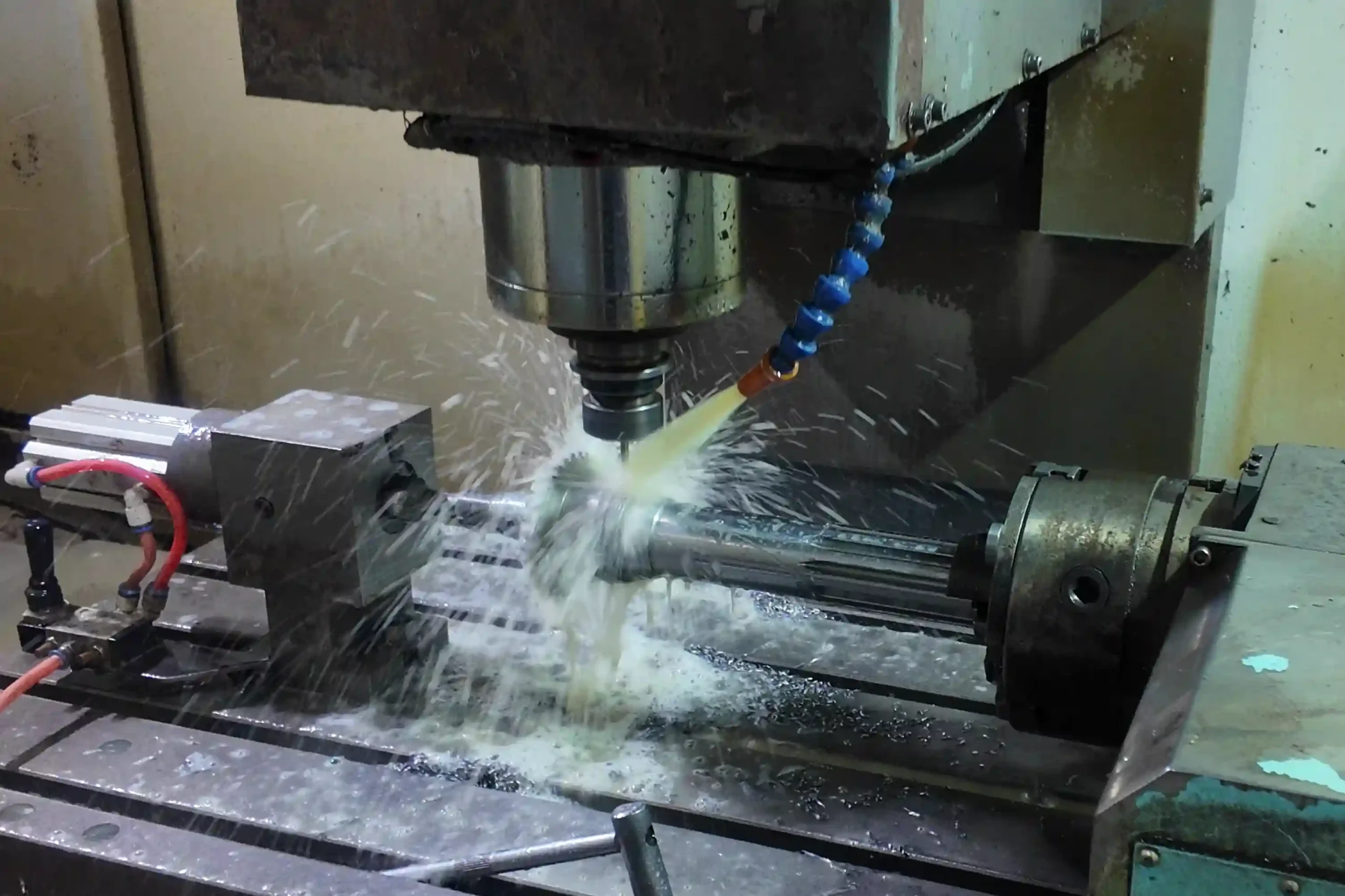
Prototype Gears need a process that fits the design stage, the tooth geometry, and the expected production path. CNC machining can produce a one-off gear with flexible tool access. Hobbing uses a generating cutter to form external spur or helical teeth with a repeatable motion. The better choice depends on the gear drawing, quantity, module, material, accuracy target, and the next build stage. For a small-module metal gear used in robotics, an EV drive, an AGV, medical equipment, or automated machinery, process selection should start with the drawing. A prototype that will move into a pilot batch may need a different route from a single geometry study. CNC machining often suits a single prototype, an unusual tooth form, an internal gear, or a design that will change during testing. It can combine turning, milling, drilling, and other operations in one flexible setup. The programmer can adjust the tool path as the drawing develops. Hobbing often suits external spur and helical gears when the tooth form is defined and the project needs repeatable parts. The hob and workpiece rotate in a controlled ratio, so the cutter generates the tooth spaces continuously. A hobbing route also gives the engineering team a clearer bridge to later batch production. The comparison needs one technical correction: hobbing machines can use CNC control. CNC machining describes a control and manufacturing platform. Hobbing describes a gear-tooth cutting method. A CNC gear hobbing machine belongs to both categories. What CNC machining means in a gear project CNC machining covers programmed material removal with turning centers, machining centers, gear shaping equipment, and other CNC machines. In a prototype gear route, CNC turning can prepare the bore, outside diameter, faces, shoulders, and datums. Milling can produce selected tooth forms, slots, keyways, or custom features. For a simple spur or helical gear, CNC milling may cut one tooth space at a time with a form tool or end mill. This method can support single-piece work and large or unusual geometries. It also requires careful control of indexing, tool condition, workholding, and final tooth inspection. CNC machining has value when the design is still moving. A team can update the program after a drawing change, test a new bore or shoulder, and keep the prototype route connected to the same machining logic. The final tooth accuracy still depends on machine capability, tool geometry, setup, material, and inspection method. What hobbing adds to Prototype Gears Hobbing follows the meshing principle of a worm gear pair. A multi-edge hob rotates while the gear blank rotates at a defined ratio. Axial feed moves the cutter across the tooth width, and radial feed controls the cutting depth. The continuous cutting motion gives hobbing a practical advantage for repeated external teeth. The same hob, setup logic, and inspection plan can support several parts after the design is confirmed. The process is commonly used for spur gears, helical gears, small-module gears, and selected splined forms. Hobbing also has boundaries. Standard hobbing does not cover every internal gear geometry. Tool selection depends on module, pressure angle, helix angle, tooth count, face width, material, and machine envelope. A special hob adds cost and preparation time, so the project should compare that investment with the required quantity and future batch plan. CNC machining vs hobbing: a practical comparison Decision factor CNC machining Hobbing Typical use One-off parts, unusual geometry, internal gears External spur or helical gears with a defined tooth form Tooling General or project-specific cutting tools Hob matched to gear geometry Tooth cutting Discrete tooth-space cutting or programmed milling Continuous generating motion Design changes Program changes can be applied quickly Changes may affect hob selection and setup Repeated parts Useful when the same setup remains stable Strong fit for repeatable external teeth Prototype-to-production path Depends on the later process choice Can carry process logic into pilot batches The table describes process tendencies. A drawing review determines the feasible route for a specific gear. Which process is better for a first prototype? Choose CNC machining when the design is still changing CNC machining is a sensible starting point when the engineering team is testing bore size, tooth count, face width, mounting features, or a custom profile. The process gives the programmer room to adjust features before a dedicated hob is approved. It also fits internal gears and parts with shoulders that limit cutter access. For very large modules or one-off parts, milling may be easier to plan than a dedicated generating process. The inspection plan should include tooth profile, pitch, runout, and the drawing dimensions that control assembly. Choose hobbing when the tooth form is stable Hobbing becomes more attractive when the external tooth geometry is approved, the material and heat-treatment route are defined, and the project expects more than one prototype or a pilot batch. The process can provide a consistent cutting relationship across the tooth set. Hobbing can also reduce the gap between prototype and production planning. The same gear type, cutter logic, datum scheme, and inspection characteristics can be reviewed during the next build. The supplier should still confirm the module range, machine capability, tool availability, and post-heat-treatment finishing plan. Use a combined route when the gear needs it Many metal gears use several processes in sequence. A forged blank can support material structure and strength requirements. CNC turning can establish the bore and reference surfaces. Hobbing can cut external teeth. Heat treatment can set the required material condition, and grinding can correct tooth geometry after treatment when the drawing requires it. This route gives CNC machining and hobbing different jobs. One process prepares the blank and datums; the other generates the teeth. The complete process plan assigns each machine to the operation it controls. What to confirm before selecting a process Send the supplier the information that changes tool selection and inspection scope: Gear type: external, internal, spur, helical, bevel, worm, or planetary Module, number of teeth, pressure angle, helix angle, and face width Bore, keyway, spline, shoulder, and datum requirements Material grade, blank route, heat treatment, and surface finishing Quantity for prototypes, pilot builds, and expected production Accuracy standard, inspection documents, and acceptance criteria Load, speed, duty cycle, lubricant, and application environment The supplier should return a process route that names the blank preparation, tooth-cutting method, finishing steps, inspection points, and items that require drawing confirmation. DD Gear’s custom gear manufacturing capability can be reviewed alongside these project inputs. How DD Gear approaches custom Prototype Gears DD Gear focuses on custom small-module high-precision metal gears for robotics, EVs, AGVs, medical equipment, electric tools, and automated machinery. The company works from customer drawings, design requirements, or physical samples. The route can include forging, CNC machining, hobbing, shaping, heat treatment, grinding, and finished-product inspection according to the project. The knowledge base identifies dimensions, hardness, and runout as finished-product inspection items. A project may also require tooth profile, lead, pitch, material traceability, case depth, or contact checks. The final inspection scope follows the drawing revision, accuracy target, material, gear type, application, and agreed documentation. PairGears, DD Gear’s parent company, describes inspection equipment for dimensional measurement, material verification, CMM checks, and tooth profile, helix, pitch, and runout reports in its manufacturing and inspection equipment overview. For cylindrical gear accuracy, the project can reference ISO 1328-1:2013 or another standard named on the drawing. For a technical review, provide the drawing revision, gear type, module, tooth data, material, heat-treatment requirement, quantity, application conditions, and required inspection records. DD Gear can then confirm whether CNC machining, hobbing, or a combined route fits the prototype stage. Conclusion CNC machining is often a good fit for a one-off prototype, a changing design, an internal gear, or an unusual geometry. Hobbing is often a good fit for stable external spur and helical teeth, repeated prototypes, and pilot production. A CNC hobbing machine can use both CNC control and the hobbing method. The decision should follow the drawing, quantity, module, material, accuracy target, tooling plan, and next build stage. A combined route may use forging, CNC datum work, hobbing, heat treatment, and grinding. Share the project details through the DD Gear contact page to review the process route and inspection documents. FAQ Q1: Is CNC machining better than hobbing for Prototype Gears? A: CNC machining suits changing designs, one-off parts, internal gears, and unusual geometries. Hobbing suits stable external spur or helical teeth and repeated parts. The drawing and project quantity determine the practical choice. Q2: Can hobbing be used for a single prototype gear? A: Yes, when the external tooth form is stable and the tooling plan fits the project. The supplier should confirm hob availability, setup time, module, material, and the expected follow-up quantity. Q3: Is hobbing a CNC machining process? A: Hobbing is a tooth-cutting method, while CNC describes programmed machine control. A CNC gear hobbing machine uses both concepts in one process. Q4: Can CNC milling make a helical prototype gear? A: CNC milling can produce selected helical geometries when the machine, tool path, workholding, and inspection method support the design. The supplier should validate tooth profile, lead, pitch, and runout against the drawing. Q5: What information does a prototype gear supplier need? A: Provide the drawing revision, gear type, module, teeth, pressure angle, helix angle, bore and datum details, material, heat treatment, quantity, application load, speed, and required inspection documents.
What Should a Gear Inspection Report Include?
A Gear Inspection Report should connect the customer drawing to measured evidence. A useful report identifies the part and revision, records material and batch data, lists critical dimensions, shows tooth geometry results, documents heat treatment where required, and states the acceptance basis. The exact scope follows the gear type, drawing, accuracy target, material, application, and agreed inspection plan. For a custom metal gear used in robotics, an EV drive, an AGV, medical equipment, or another automated system, the report supports a release decision. It gives engineering, quality, and purchasing teams a shared record for fit, tooth contact, material condition, and process traceability. What Is a Gear Inspection Report? A Gear Inspection Report is a controlled record of measurements and checks performed on a defined gear or gear lot. It should show the nominal value, tolerance, actual result, measurement method, and status for each characteristic that matters to the drawing or application. The report works with the latest drawing revision and the agreed quality plan. Each result needs a clear datum, tolerance, method, and part identity. Core Identification and Traceability Data Part and Drawing Information The first section should identify the inspected part quickly. Include: Part number and drawing number Drawing revision and customer purchase reference Gear type, such as spur, helical, bevel, worm, internal, or planetary gear Number of parts inspected and inspection date Inspector, reviewer, report number, and sampling status This information ties the measurement record to the correct design revision. Material and Batch Traceability Material records should identify the specified grade and heat or batch number. A material certificate can add chemical composition and supplier reference. Connect that record to the inspected parts. When specified, heat-treatment records can reference the process batch, treatment route, hardness target, and follow-up checks. Dimensional Inspection Results Critical Gear Dimensions A dimensional inspection report should list features that control assembly and alignment. Depending on the drawing, these may include: Report area Typical data to record Engineering purpose Functional dimensions Bore, outside diameter, face width, tooth thickness Fit and torque transfer Mounting features Keyway, spline, bolt pattern, shoulder, datum surfaces Positioning and assembly Geometric relations Concentricity, perpendicularity, parallelism, runout Alignment and rotational stability Surface condition Roughness or edge condition when specified Contact and assembly Show the nominal, tolerance, measured value, and instrument or method. CMM, vision measurement, bore gauges, or other systems may be selected by feature and inspection requirement. Measurement Method and Acceptance Basis Each result needs a datum reference, measurement unit, and acceptance basis. Record fixturing or environmental conditions when they affect the result. Tooth Geometry and Gear Accuracy Tooth Profile and Lead or Helix A gear tooth profile inspection report compares the measured flank with the design profile. It records profile deviation, total profile error, and the tolerance band. Repeated results near one limit can indicate process movement. Lead or helix results show tooth direction across the face width. Identify lead deviation, helix deviation, measurement direction, and permitted range. Both profile and lead charts matter when contact position is controlled. Pitch, Runout, and Tooth Spacing Pitch inspection covers tooth spacing. The report may include single pitch deviation, cumulative pitch deviation, and tooth-to-tooth variation. Radial runout connects the tooth set to the inspection datum. State the datum, runout value, measurement direction, and tolerance. Accuracy Standards Name the accuracy standard and grade used for evaluation. ISO 1328-1:2013 defines a tolerance classification system for individual cylindrical involute gear flanks. AGMA, DIN, JIS, or a customer-specific system may apply. List the selected standard, edition, gear type, and grade. Material, Heat Treatment, and Surface Condition Hardness records should identify the test location and method. Depending on the design, the report may separate surface and core hardness. A carburized or nitrided gear may require case depth, metallography, or a process certificate. Surface treatment data should match the material and drawing requirement. Include treatment batch, process date, hardness, case depth, and post-treatment finishing when specified. Noise, backlash, and lost-motion results require system conditions. Describe the test setup, load, speed, lubricant, mating gear, and acceptance limit when specified. Use performance terms only when the drawing and validated method define them. Application-Specific Checks The inspection plan should follow the gear geometry and operating role. A matched bevel pair may require contact pattern, backlash, and tooth thickness checks. A small helical gear for an EV or robot joint may require profile, lead, pitch, runout, hardness, and case-depth records. An AGV drive gear may add bore and shaft-fit checks. Application Checks that may be specified Information to confirm Robotics and joint drives Profile, lead, pitch, runout, backlash Motion and load conditions EV drive systems Tooth geometry, hardness, case depth, NVH test Speed, torque, test setup AGV and automation Dimensions, runout, tooth thickness, material Duty cycle and datum Medical equipment Dimensions, surface condition, traceability Cleanliness and load The table is a planning guide. The final report scope follows the approved drawing and project control plan. How to Review a Gear Inspection Report Before Approval Use this sequence during supplier review: Match the report to the latest drawing revision and part number. Confirm every nominal value, tolerance, unit, and actual measurement. Check the datum and measurement method for each critical feature. Review profile, lead, pitch, and runout charts with their tolerance bands. Verify material, heat-treatment, hardness, and case-depth traceability when specified. Ask the supplier to explain missing data or an out-of-limit result. Record the final disposition and any follow-up action. For custom projects, you can compare the requested evidence with the supplier’s custom gear manufacturing capability. The inspection method should follow the actual feature and drawing requirement. Conclusion: Use the Report to Make a Release Decision DD Gear’s Inspection Documentation DD Gear focuses on custom small-module high-precision metal gears for robotics, EVs, AGVs, medical equipment, electric tools, and automated machinery. Customers provide drawings, design requirements, or physical samples. DD Gear reviews the design and follows a route that can include machining, heat treatment, finishing, and final inspection. The knowledge base identifies hardness, dimensions, and runout as finished-product inspection items. The report scope remains project-specific and follows the drawing, material, accuracy target, gear type, application, and documentation request. PairGears, DD Gear’s parent company, presents equipment and report examples for dimensional measurement, material verification, CMM inspection, and gear geometry checks in its manufacturing and inspection equipment overview. When requesting a review from DD Gear, provide the drawing revision, material, module, tooth data, load, speed range, application, quantity, and required inspection documents. Release Decision A useful Gear Inspection Report links the drawing, inspected parts, measurement method, and release decision. It usually covers identification, dimensions, tooth geometry, accuracy standard, material, heat treatment, and application-specific checks. Each result should include its nominal value, tolerance, actual value, datum, and test basis. DD Gear supplies custom small-module metal gears for robotics, EVs, AGVs, and automation. For a technical review, send the drawing revision, material, gear type, application conditions, quantity, and required evidence through the custom gear project contact page. FAQ Q1: What should a Gear Inspection Report include? A: It should identify the part and drawing revision, record material and batch traceability, list critical dimensions, show tooth profile, lead, pitch and runout results where required, and document hardness or heat-treatment checks specified by the project. Q2: What is checked in a gear tooth profile inspection report? A: The report compares the measured tooth flank with the design profile and records profile deviation, total profile error, measurement conditions, and the applicable tolerance band. The chart should identify the gear, datum, measurement direction, and standard used for evaluation. Q3: Does every gear project require an ISO 1328 inspection? A: ISO 1328 applies to the cylindrical involute gear characteristics covered by the selected edition and scope. The drawing or quality plan should confirm whether ISO 1328, AGMA, DIN, JIS, or a customer-specific standard governs the project. Q4: What is the difference between a dimensional report and a gear accuracy report? A: A dimensional report records features such as bore, outside diameter, face width, keyway, and datum relationships. A gear accuracy report focuses on tooth profile, lead or helix, pitch, runout, and related gear deviations. Q5: Which inspection documents should you request from a custom gear supplier? A: Request the dimensional report, gear geometry report, material certificate, heat-treatment or hardness record, and any case-depth, contact-pattern, or functional test record named in the drawing. Confirm the sampling basis and the report format before production.

How to Design Fine-Pitch Gears for Manufacturability
Fine-pitch gears save space inside a robot joint, EV actuator or medical motion unit. Their small teeth also shrink the margin for burrs, runout, heat-treatment distortion and assembly error. A custom gear project becomes manufacturable when the drawing connects load, module, tooth geometry, process and inspection. DD Gear develops small-module high-precision metal gears for these application-driven requirements. What Does Fine-Pitch Mean in Gear Design? Fine-pitch describes a small tooth size and a close tooth spacing. The useful design limit comes from the required torque, speed, center distance, tooth count and available manufacturing route. Start with Module and Tooth Count Module sets the basic tooth size and strongly affects pitch diameter, tooth thickness and gear width. DD Gear’s emerging-industry work often centers on Custom small-module gears based on drawings and applications.Set tooth count with the target ratio and contact ratio in view. A very small pinion can create a thin tooth root and undercut risk. Add pressure angle, face width and helix data before the manufacturability review. Reserve Space for Bores and Hubs A compact gear still needs a stable bore, useful hub length and enough wall thickness around keyways or splines. Leave room for a tool, a measuring probe and the clamping method. A gear can look tiny on a drawing and still consume most of a tolerance stack. For robot reducer gears and AGV drive gears, check concentricity from the bore to the pitch feature. For electric-tool gears, check the shock load at the hub and the support provided by the shaft. How Should You Set the Tooth Geometry? Tooth geometry controls contact, force direction, noise and inspection work. Put the design intent into measurable fields so the supplier can plan the cutting and finishing route. Choose Pressure Angle and Helix The knowledge base lists 20 degrees as a common pressure angle, with 14.5 and 25 degrees also used for defined applications. A helical gear can provide gradual engagement and higher contact, while its helix angle adds axial thrust that the bearings and housing must carry. Helix angles commonly fall around 8 to 30 degrees in the reference material. State the normal module, helix angle and rotation direction for every fine-pitch helical gear. A matched left-hand and right-hand pair needs clear assembly orientation. Control Profile, Lead and Backlash Profile deviation, lead deviation, pitch error, runout and backlash belong on the inspection plan. Use a low-backlash design to minimize lost motion, then validate it within the complete shaft, bearing and control system. Link every tolerance to the drawing, measurement method, temperature and assembly condition. This gives the machine shop and system engineer the same target. Which Manufacturing Route Fits Fine-Pitch Gears? For fine-pitch gears, the manufacturing route should be selected during the design-for-manufacturing (DFM) review stage. The key considerations are not only tooth profile and material, but also module size, tooth thickness, gear geometry, production volume, heat-treatment distortion and required accuracy grade. A manufacturable fine-pitch gear design should consider tool accessibility, cutting strategy, inspection capability and the transition between soft machining and final finishing. Small changes in tooth geometry, root design, bore configuration or material selection can significantly affect machining stability and achievable accuracy. Hobbing, Shaping and Skiving Hobbing suits many external spur and helical gears in repeatable production. Shaping reaches internal or shoulder-limited features, and milling supports one-off parts or larger modules. Gear skiving can produce internal gears, external gears, helical gears and selected asymmetric profiles. From a Fine-pitch DFM perspective, the best process is not simply the fastest cutting method. The gear design should be optimized around the selected manufacturing route, including tool access, material condition, heat-treatment sequence and final inspection requirements. Combine Forging, CNC and Heat Treatment For high-strength fine-pitch gears, forging can improve blank integrity, while CNC machining defines the critical dimensions and tooth geometry required by the design. Normalizing can refine grain size after forging. Carburizing and quenching create a hard case with a tougher core, while nitriding can suit lower-distortion designs. The tolerance plan should account for both pre-hardening shaving and post-hardening grinding, as heat treatment can affect tooth accuracy and may require final finishing. How Can You Design for Inspection? Inspection becomes easier when the drawing names the features that affect the application. It also gives purchasing a clearer basis for comparing quotations. Put Measurable Requirements on the Drawing Include these fields in a fine-pitch gear inquiry: Module, tooth count, pressure angle, helix angle and tooth direction. Tooth form, face width, bore, hub and spline details. Material, hardness, heat treatment and magnetic or corrosion limits. Profile, lead, pitch, runout, backlash, roughness and measurement references. Prototype quantity, batch size, speed, torque and duty cycle. Plan the First Article and Batch Checks DD Gear’s documented project flow starts with a drawing or physical sample. The wider manufacturing group provides additional context.Drawing review, quotation, tooling, first-article production, inspection, mass production and finished-part checks follow in sequence. A 2 to 3 week prototype target applies after drawing confirmation and to suitable small-module prototype projects. Tooling, special materials, heat treatment, complex geometry or an extended inspection plan can add time. Ask for the project schedule after the full drawing package is reviewed. Where Do Fine-Pitch Gears Create Value? The design choices become practical when they solve a space, motion or service problem in the finished equipment. Robotics, Medical and Wearable Motion Robot joint actuators use small spur, helical or planetary gears inside compact housings. A low-backlash design can minimize lost motion when the assembled joint validates the result. Medical equipment and intelligent electric wheelchairs use precision transmission parts where smooth movement and low noise for patient-facing/medical motion applications matter. EV, AGV, Power Tools and Automation EV steering and reduction drives need controlled tooth contact, durability and repeatable production. AGV drive gears carry motion through repeated routes, while electric-tool gears see high speed, shock load and limited package space. Automated equipment often combines small-module gears with tight bore and runout requirements. How Can DD Gear Support Your Customized Gear Project? Supplier selection should include drawing review, process planning and first-article inspection. You need a team that can connect the gear’s tooth geometry to material, heat treatment, machine access and the final application. From Drawing Review to Production DD Gear focuses on customized small-module, high-precision metal gears for robotics, EVs, AGVs, medical equipment and intelligent automation. Its website lists more than 15 years of gear manufacturing experience and service in over 30 countries. The workflow covers drawing confirmation, tooling, first samples and checks of hardness, dimensions and runout; Send the drawing, material, quantity, operating conditions and inspection needs through the DD Gear contact page for a manufacturability review. FAQ Q1: What makes a fine-pitch gear manufacturable? A: A clear module, tooth form, material, tolerance plan, process route and inspection method make the design ready for production review. Q2: Can gear skiving produce internal fine-pitch gears? A: Yes, when tool reach, workholding, machine clearance and tooth geometry fit the setup. Q3: How should you specify a small-module helical gear? A: State normal module, tooth count, pressure angle, helix angle, rotation direction, face width and inspection requirements. Q4: What should a custom gear drawing include? A: Include tooth data, bore and hub details, material, heat treatment, load, speed, backlash, runout and the required measurement method. Q5: Can a fine-pitch gear use forging and CNC machining together? A: Yes. A forged blank can support material flow, while CNC machining produces the final bore, faces and tooth geometry.

When Should Gear Skiving Be Used?
Gear skiving earns its place when a gear project needs a fine tooth pattern, compact geometry or internal teeth, and the production plan can support a dedicated cutting tool. It is especially relevant to small-module gear skiving for robot joints, EV drive units, AGV motion systems, medical equipment, electric tools and automated machinery. DD Gear develops small-module precision gears from project drawings, so the process choice can follow the part and its requirements. What Is Gear Skiving? Gear skiving, also called power skiving, removes material through a controlled rotary cutting action. The tool and workpiece rotate together while radial and axial feeds create the tooth depth and width. A university review of power skiving covers its kinematics, tools and process development. How the Cutting Motion Works The cutter resembles a bevel gear and uses cemented-carbide cutting edges. Its helix angle matches the workpiece setup, often within a 20 to 30 degree range. Continuous cutting can shorten machining time by about 50% to 80% compared with conventional gear cutting in suitable production conditions. Which Gear Types Fit the Process? Power skiving can produce internal gears, external gears, helical gears and selected asymmetric tooth profiles. The knowledge base lists a usual module range of 0.5 to 6 mm, which covers many small-module gear projects while leaving room for different part sizes and tooth forms. Internal gear skiving suits compact assemblies with teeth inside a ring. The tool still needs enough reach and clearance for the planned setup. When Should Gear Skiving Be Used? Use gear skiving when tooth geometry, quantity and machine access justify the dedicated tool. It often fits repeatable batches of internal or external gears. Internal Gears and Compact Assemblies Internal gears are a strong starting point for a skiving review. Robot joint reducers, compact actuators and medical motion systems place tight limits on diameter, bore size and tool access. Final inspection still checks tooth form, lead, runout and backlash against the drawing. Ask for a reach and clearance review before approving the process. Module size alone does not decide suitability. Repeated Small-Module Production The process fits repeatable batches of the same gear family. The special cutter and high-precision CNC gear-turning machine add setup cost, while continuous cutting can reduce cycle time after the route is proven. For a single sample, hobbing, shaping or milling may provide a simpler first check. Quantity, tooth form, material and the next production step decide the route. Which Gear Projects Need Another Process? Skiving is one tool in a process plan. Geometry, module, quantity and machine limits decide when another route fits better. Hobbing, Shaping, or Milling Hobbing fits many external spur and helical gears. Shaping reaches internal or shoulder-limited features, while milling suits one-off parts and larger modules. Compare tool cost, workholding, inspection and tooth accuracy alongside cycle time. Grinding after Heat Treatment Case-hardening steels such as 20Cr, 20CrMnTi and 20CrMo suit many high-load small gears. Carburizing and quenching raise surface performance but can add distortion, so the drawing may call for grinding. Skiving can form the teeth before heat treatment. How Do Material and Heat Treatment Affect the Choice? Material selection changes cutting behavior, heat-treatment risk and finishing work. Link the material to load, speed, lubrication, service life and inspection. Small-Module Geometry and Material Removal Small-module gears leave little room for burrs or profile errors. Stable cutter engagement and rigid workholding help hold tooth position. Forging and CNC machining can form one route: forging supports material flow in suitable high-strength parts, then CNC machining brings the bore, faces and tooth geometry to the drawing. Surface Hardening and Finishing Normalizing can refine grain size after forging. Nitriding suits low-distortion designs; carburizing suits gears that need a hard case and tough core. Gear shaving is typically performed on gears before final heat treatment, whereas gear grinding is used for high-precision finishing after heat treatment to achieve tighter accuracy requirements.Publish an accuracy grade or roughness only with a matching drawing and measurement method. How Should You Check a Skived Gear Before Ordering? The best process decision starts with a complete information package. It lets the supplier test access, tooling, material behavior and inspection needs before quoting. Prepare the Drawing Package Include these items in the inquiry: Module, tooth count, pressure angle, helix angle and tooth direction. Internal or external tooth form, face width, bore and key or spline details. Material, heat treatment, hardness target and any corrosion or magnetic constraints. Backlash, runout, profile, lead, surface roughness and measurement requirements. Prototype quantity, planned batch size, speed, torque and duty cycle. Validate the First Article DD Gear’s documented workflow starts with a drawing or sample, then moves through drawing review, quotation, tooling, first-article production, inspection and finished-part checks. Inspection can cover hardness, dimensions and runout. A 2 to 3 week prototype target applies after drawing confirmation and to suitable small-module prototype projects. Tooling, special materials, heat treatment, complex geometry or an extended inspection plan can add time. The supplier should confirm the schedule after reviewing the full drawing package. Which Applications Benefit from Gear Skiving? The process fits compact transmission parts with application-specific load, noise and validation targets. Robotics and Medical Motion Robot joints and reducer stages use small gears inside compact actuators. A low-backlash design can minimize lost motion when validated within the complete joint, bearing and control system. Medical equipment and intelligent electric wheelchairs use precision transmission parts where smooth movement and controlled noise matter. EV, AGV and Automated Equipment EV steering and reduction drives place demands on tooth contact and durability. AGV power-transmission mechanisms need stable motion across repeated routes. Electric tools and automated equipment add speed, shock load and package limits. Select the gear type and process from the drawing and its access, geometry and batch needs. How Can DD Gear Support Your Customized Gear Project? Supplier selection should cover process planning as well as the finished gear. You need a team that can read the drawing, discuss material and heat treatment, plan first-article checks and keep the production route tied to the application. From Drawing Review to Inspection DD Gear focuses on customized small-module, high-precision metal gears for robotics, EVs, AGVs, medical equipment and intelligent automation. Its website lists more than 15 years of gear manufacturing experience and service in over 30 countries. The documented workflow covers drawing confirmation, tooling, first samples and checks of hardness, dimensions and runout; the wider manufacturing group provides additional production context. Send the drawing, material, quantity, operating conditions and inspection needs through the DD Gear contact page for a project-specific process review. FAQ Q1: Can gear skiving produce internal gears? A: Yes, when tool reach, workholding, clearance and tooth geometry fit the setup. Q2: Is gear skiving suitable for every small-module gear? A: Selection depends on module, tooth form, material, quantity, access and finishing needs. Q3: Does skiving replace gear grinding? A: Heat-treated gears may need grinding or another finishing process to meet the drawing. Q4: What information should you send for a skiving quote? A: Send the drawing, tooth data, material, heat treatment, quantity, load, speed and inspection needs. Q5: How long can a customized small-module gear prototype take? A: A 2 to 3 week target applies after drawing confirmation for suitable projects. Tooling, heat treatment, special materials and inspection can extend the schedule.

LOVE TO HEAR FROM YOU GET IN TOUCH!
Please fill out the form below and we will get back to you as soon as possible.